Hive health — Algeria

Varroa Treatment — Bee Pathology

BIOBEESPRO supplies Algeria's reference treatments against Varroa destructor: formic acid, oxalic acid dihydrate, Apivar strips and Varo Clean gel. An annual rotation programme for healthy, productive colonies.

Varroa Treatment — Bee Pathology

The treatments

Our anti-Varroa products

Four complementary solutions, rotated through the season to prevent the parasite from developing resistance.

  • Varo Clean — oregano and garlic oil gel

    Ready-to-use gel based on oregano oil and concentrated garlic oil (My Bees). The sachet is placed between the frames for a continuous 10-day action.

    Use

    1 dose per group of 10 occupied frames, never exceeding the stated dose.
  • Apivar — anti-Varroa strips

    Extended-release amitraz strips (Véto-pharma), the reference veterinary treatment against varroosis. Honey withdrawal period: zero days.

    Use

    2 strips per hive (1 pouch), hung between the frames for at least 5 weeks.

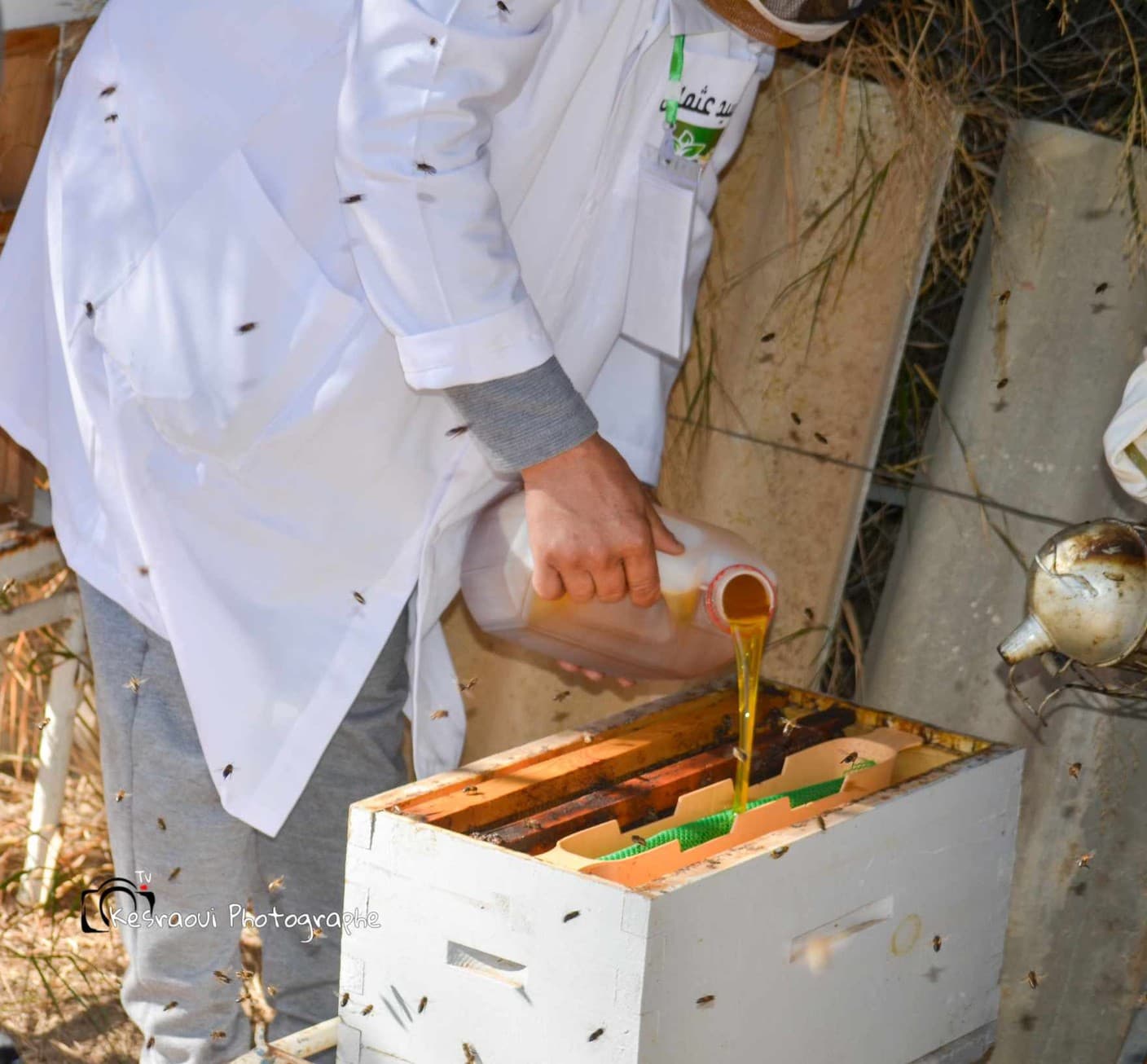
  • Oxalic acid dihydrate

    White powder (COOH)₂·2H₂O, min. 99.6% purity, in a 1 kg bottle. The reference winter treatment, applied by trickling between the frames.

    Use

    35–40 g per litre of water, trickled.

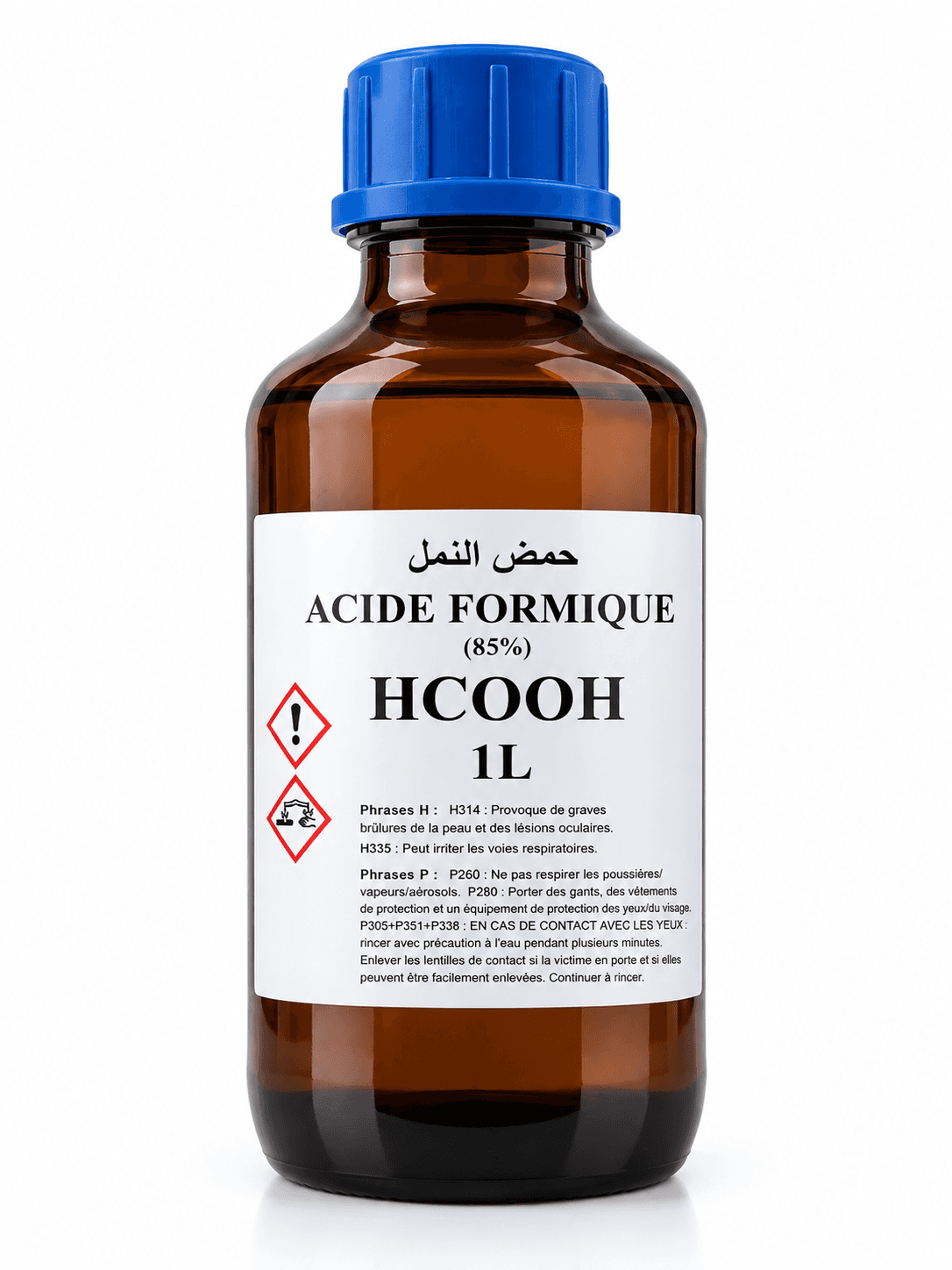
  • Formic acid 85%

    HCOOH in a 1 L bottle, to be diluted to 60–65% before use. The only treatment that also reaches Varroa inside capped brood.

    Use

    Ready-to-use strips, or 15–20 ml on cotton/sponge per hive.

Technical sheet

Formic acid (HCOOH)

Formic acid is the simplest organic acid, colourless, with a strong, pungent smell. Naturally present in ant stings and plants such as nettles, it is used in beekeeping to control Varroa destructor without leaving any residue in the honey.

Use only diluted between 60% and 65%, strictly respecting the dose and temperature.

Ready-to-use strips or gel (e.g. MiteAway Quick Strips)

The easiest and safest method. Placed in the centre of the hive, between the frames, they stay in place for 7 to 10 days.

Traditional method (cotton or sponge)

15 to 20 ml of solution per medium-sized hive, poured onto a sponge or synthetic cotton pad placed on top of the frames, for gradual evaporation. Repeat after 7 to 10 days if needed.

Conditions of use

  • Ideal temperature: 15–25 °C.
  • Good ventilation inside the hive.
  • Never treat during the honey flow, to avoid the smell tainting the honey.

Safety precautions

  • Wear rubber gloves and protective goggles.
  • Avoid any contact with skin or eyes.
  • No smoking or open flame nearby: the product is flammable.

Advantages

  • Very effective against Varroa, including inside capped brood cells.
  • Leaves no residue in honey or wax.
  • A natural, environmentally friendly substance.
  • Breaks down quickly in the air.
  • Can be used even with brood present.

Drawbacks and risks

  • Dangerous to bees and the queen if overdosed or used in high heat.
  • Can kill some bees if the conditions are not respected.
  • Corrosive to skin and eyes: strict protection required.
  • Effect can be uneven if evaporation is not regular.
  • Uncontrolled use can lead to loss of the queen.

Formic acid is a natural, highly effective treatment against Varroa, provided the right timing (moderate heat), exact dose, personal protection and suitable application method are respected. Used with rigour, it remains one of the treatments recognised worldwide in integrated Varroa control programmes.

Technical sheet

Oxalic acid dihydrate

A natural, effective treatment that eliminates a very high proportion of Varroa mites and remains one of the gentlest on the colony, being organic in origin.

Dosage
35 to 40 g per litre of water.
Application method
Applied by trickling between the frames, as shown in the video.
Conditions
Best used in cold weather, below 25 °C.
Frequency
Repeat the treatment after 15 days.

A colony free of Varroa is also the one that produces the most honey and shows calmer behaviour.

Other uses of oxalic acid

  • For preserving drawn combs, at a dose of 100 g per litre of water.
  • Diluted at 40 g per litre of sugar syrup (50/50), only once per bee life cycle.
  • To bleach wax and remove impurities.

Annual calendar

Integrated Varroa control programme

A clear view across the year, rotating active substances to prevent the parasite developing resistance.

01March – AprilEarly spring
Reduce the Varroa population before the colony's main growth phase. Oxalic acid by trickling or spraying — more effective when brood is still limited. Natural alternative: thyme oil (thymol) or products such as Apiguard.
02May – JuneBefore the honey flow
Prepare a strong, healthy colony ahead of the production season. Formic acid (60–65%) as strips or gel — the only treatment reaching Varroa inside capped brood cells. Keep within the 15–25 °C range.
03July – AugustAfter the honey harvest
Reduce parasite pressure before entering autumn. Formic acid again if temperatures stay moderate, or thymol (Apilife Var / Apiguard). Amitraz or fluvalinate strips are used in strict rotation, to avoid resistance.
04November – DecemberLate autumn / early winter
Eliminate as many Varroa as possible while brood is minimal or absent. Oxalic acid (spray or trickle), essential for targeting the parasites remaining on adult bees.

Never use the same treatment all year round: rotate the active substances (formic, oxalic, thymol, amitraz) to prevent resistance from developing. Always monitor the infestation rate (sugar roll or alcohol wash test) to decide when to intervene. Never treat during the honey flow, to protect honey quality.

Spring: oxalic. Before the flow: formic. After the harvest: formic or thymol. Winter: oxalic.

Read before any use

Formic acid and oxalic acid are corrosive substances: gloves, goggles and strict compliance with doses and temperatures are essential. Apivar is a veterinary medicine subject to regulation — seek advice from your veterinarian or a qualified beekeeping technician. BIOBEESPRO supplies these products as is and does not replace veterinary advice.

Need an anti-Varroa treatment?

Tell us the number of hives and the treatment period: we will come back to you with availability and price.

Message us on WhatsApp